
- All
- Product Name
- Product Keyword
- Product Model
- Product Summary
- Product Description
- Multi Field Search
Views: 0 Author: Site Editor Publish Time: 2026-06-03 Origin: Site


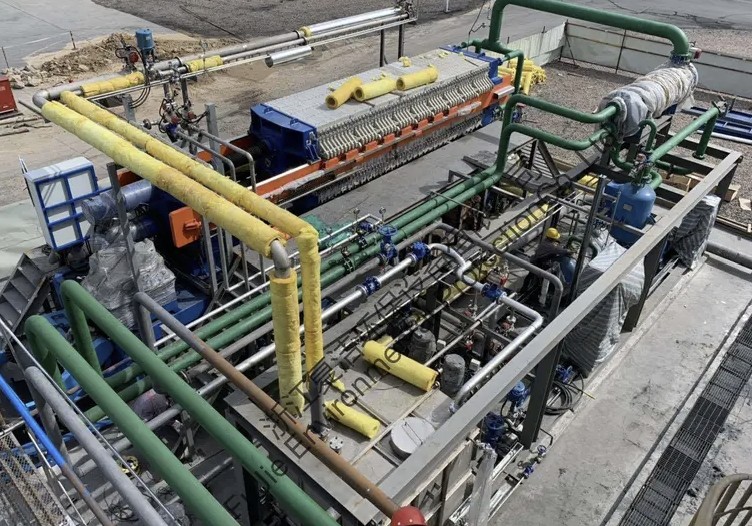
A cheap filtration choice can become expensive fast. Wet cake, slow cycles, and leaks can hurt daily production. A filter press solves these problems only when it fits the process. In this article, you will learn how to choose one by slurry type, capacity, automation, materials, and service needs.
● The right filter press should match the slurry first, not only the budget or machine size.
● Cake moisture, filtrate clarity, cycle time, and solids recovery should guide equipment selection.
● Plate type, filter cloth, pressure, and automation level directly affect separation results.
● A membrane filter press can help when lower cake moisture is a key target.
● Automatic systems are useful for high-volume plants, frequent batches, or labor-saving goals.
● Material choice matters when the slurry is corrosive, hot, abrasive, or food-related.
● Site layout, pump matching, cake discharge, and control integration should be checked early.
● A reliable supplier should support testing, customization, installation, training, and spare parts.
A filter press is not a one-size-fits-all machine. It works by feeding slurry into chambers, holding solids on filter cloth, and discharging liquid as filtrate. The result depends on many process details. Before comparing prices, you need to understand what the slurry does under pressure.
Start with slurry characteristics. Particle size, solids content, viscosity, pH, temperature, and abrasiveness all affect performance. Fine particles may blind the filter cloth. Abrasive minerals may wear plates and cloth faster. Acidic or alkaline liquids may require corrosion-resistant materials. Hot slurry may need a plate design that can handle higher temperature stress.
Next, define the result you need. Some plants care most about dry cake. Others care more about clear filtrate or product recovery. Sludge dewatering, mining tailings, chemical filtration, and food processing all have different goals. A wastewater plant may want lower disposal weight. A mineral processor may need higher solids recovery. A food or fine material producer may care more about clean handling and stable quality.
Capacity is also critical. Do not choose only by frame size. Look at daily slurry volume, solids loading, batch frequency, and target cake thickness. A small press may create long waiting time. An oversized press may waste capital, space, and energy. A correct selection starts from real process data.
Tip:Ask the supplier to review slurry concentration, daily capacity, and cake moisture targets before recommending a machine size.
Different filter press types serve different process needs. The best choice depends on how difficult the slurry is, how dry the cake must be, and how much labor the plant can accept.
A plate and frame filter press is a practical choice for many batch filtration duties. It has a clear structure and can handle many standard solid-liquid separation tasks. It is often used when the process needs flexible operation, simple maintenance, and proven filtration performance.
A chamber filter press is common in industrial dewatering. It forms filter cakes inside recessed chambers. It can suit many industries because it supports stable cake formation and reliable pressure filtration. When the slurry is not highly difficult, it may offer a good balance of performance and cost.
A membrane filter press is better when the plant needs lower cake moisture. After the chamber fills, a membrane can squeeze the cake by water or compressed air. This extra pressing step helps push out more liquid. It is useful when disposal cost is high, cake transportation is expensive, or recovered solids have value.
Automatic fast-open and automatic cloth washing systems suit high-volume production. They reduce manual work and shorten repeated operations. They also help keep cycle performance more consistent. For plants running many batches per day, automation can save time and improve safety.
Some applications need special designs. Explosion-proof equipment may be needed in risky chemical environments. Stainless steel food-grade systems may suit cleaner production needs. High-temperature or drip-tray designs may be needed when heat, liquid collection, or site cleanliness matters.
Filter Press Type | Best Fit | Main Selection Reason |
Plate and frame filter press | Flexible batch filtration | Simple structure and broad use |
Chamber filter press | Standard dewatering | Stable cake formation |
Membrane filter press | Low cake moisture target | Extra squeezing step |
Automatic filter press | High-volume production | Lower labor and faster cycles |
Stainless steel filter press | Food or clean applications | Easier cleaning and corrosion resistance |
Explosion-proof filter press | Risk-sensitive sites | Safer operation under special conditions |
Industrial solid-liquid separation changes by industry. A filter press used for sludge may not fit chemical slurry. A system for food production may not suit abrasive mining tailings. Selection should start with the real operating environment.
For wastewater and sludge dewatering, the goal is usually volume reduction. A drier cake can lower transport and disposal costs. The system should be easy to maintain because sludge properties often change. Stable cloth cleaning and simple cake discharge are important.
For mining and mineral processing, the slurry may contain abrasive solids and high solids loading. The press needs strong structural support, durable plates, and suitable cloth. In some cases, cake dryness supports tailings management and water recovery. The plant should also consider how quickly the cake can discharge after each cycle.
For chemical and electroplating applications, corrosion resistance matters. Liquids may be acidic, alkaline, or solvent-related. The wrong material can lead to leakage, wear, or unsafe operation. In these cases, the buyer should check plate material, frame protection, sealing design, and operator safety.
For food, pharmaceutical, or fine material processing, cleanability matters. Stainless steel structures, smooth surfaces, and controlled operation may be important. The goal may include product recovery, clean filtrate, and reduced contamination risk. The system should support careful handling rather than only high pressure.
Note:A filter press should be selected by process risk, not only by industry name. Two plants in the same industry may need different designs.
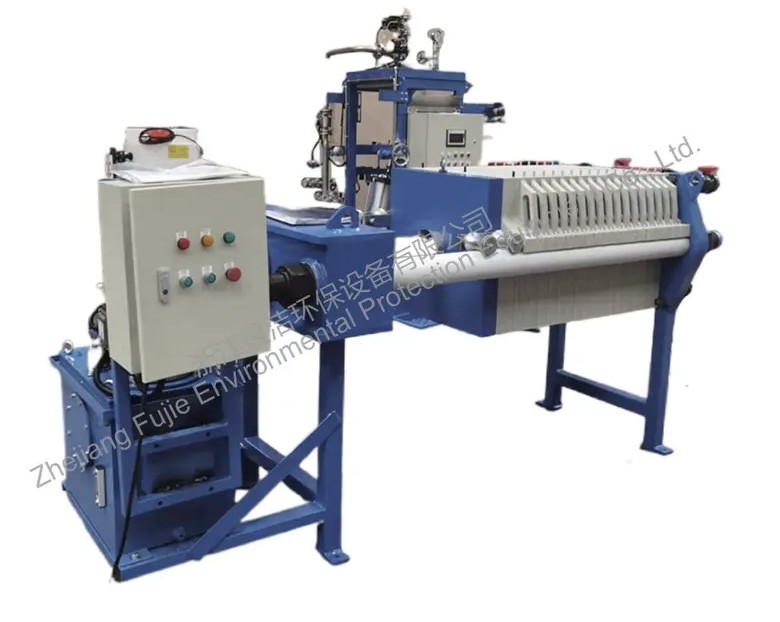
Purchase price is only one part of the cost. A filter press also creates labor cost, cleaning cost, cloth replacement cost, downtime, water use, energy use, and spare parts demand. A machine that looks cheaper at first may cost more over years of use.
Automation makes sense when the plant runs frequent cycles. Automatic plate opening, cloth washing, drip collection, and cake discharge can reduce manual work. It can also improve repeatability. Operators spend less time on heavy handling and more time watching process quality.
Maintenance access is just as important. Filter cloths need cleaning and replacement. Plates, seals, diaphragms, and hydraulic parts may wear over time. If the design is hard to access, even simple service can stop production. A good layout should let workers inspect, clean, and replace key parts without long shutdowns.
Operating cost also depends on cake moisture. A wetter cake may increase disposal weight. Poor cloth selection may slow filtration. Weak washing may cause cloth blinding. Low pressure may leave too much liquid in the cake. High pressure may improve dryness, but only if the plate, cloth, pump, and frame can support it safely.
Tip:Compare total cost of ownership, including labor, cloth life, downtime, cake disposal, and spare parts.
Correct sizing starts with solids, not only liquid volume. A plant should know how much dry solid enters the system each day. It should also know slurry concentration, batch time, target cake thickness, and expected number of cycles.
Cycle time has several steps. Feeding, filtration, squeezing, washing, air blowing, plate opening, cake discharge, and cloth cleaning all take time. If one step is slow, total capacity drops. A press with a large filtration area still may underperform when the pump, slurry, or discharge method is poorly matched.
Filtration pressure also needs careful planning. Higher pressure can improve separation, but it is not always the answer. Some fine materials compact too tightly and slow flow. Some slurries need pre-treatment or a different cloth. The right pressure should support clear filtrate, good cake release, and safe operation.
Future capacity should also be considered. If production may grow, the filter press should leave room for expansion. This does not mean buying the largest machine. It means choosing a design that can support process changes, more batches, or upgraded automation later.
A good sizing discussion should include these questions:
● How many cubic meters of slurry must be processed daily?
● What is the solids concentration?
● What cake moisture is acceptable?
● How many operating hours are available each day?
● Is the process batch-based or continuous upstream?
● How will cake be discharged and moved?
● Will the slurry properties change over time?
A strong supplier does more than sell equipment. It should help confirm process fit. This is important because filter press performance depends on slurry behavior, not only the machine drawing.
Slurry testing is one of the most useful steps. Lab tests can show filtration speed, cake moisture, filtrate clarity, cake release, and cloth performance. Testing also reduces guesswork. It helps the buyer avoid wrong plate depth, wrong cloth, weak pump matching, or poor cycle planning.
Customization also matters. Industrial plants often need specific plate size, chamber depth, automation level, construction material, pump connection, discharge method, and control integration. A customized filter press can fit the line better than a standard machine.
Installation and training support should be reviewed before purchase. Operators need to know feeding pressure, plate closing, cloth cleaning, cake discharge, safety checks, and basic troubleshooting. Good commissioning helps the system reach stable performance faster.
Spare parts support is another key point. Filter cloths, plates, diaphragms, seals, hydraulic parts, and washing devices may need replacement. If parts are hard to source, downtime can become expensive. A supplier that can provide technical support and parts helps protect long-term production.
Note:A good selection process should include testing, engineering review, site layout planning, and spare parts planning.
Choosing the right filter press means matching process data, cake goals, automation, materials, and site needs. ZHEJIANG FUJIE provides customized filter press solutions, filter plates, accessories, testing support, installation guidance, training, and spare parts service. Its systems help plants improve solid-liquid separation, reduce operating pressure, and build more stable filtration lines.
A: A filter press separates solids from liquid in slurry.
A: Base it on solids load, cycle time, and cake target.
A: A membrane filter press helps reduce cake moisture.
A: Yes, when cycles are frequent or labor is costly.
A: Size, materials, automation, plates, and customization.
A: Wrong cloth, low pressure, or poor slurry conditioning.


