
- All
- Product Name
- Product Keyword
- Product Model
- Product Summary
- Product Description
- Multi Field Search
Views: 0 Author: Site Editor Publish Time: 2026-06-24 Origin: Site


A drier cake can change your whole filtration cost. But which filter press gives better value? This article compares membrane and recessed plate designs, so you can choose with less risk. You will learn how they work, where they perform best, and what to check before buying.
A membrane filter press is designed for pressure filtration and secondary cake squeezing. First, slurry enters the chambers. Liquid passes through the filter cloth, while solids stay inside and form a cake. After this stage, the membrane plate expands by air or water pressure. It squeezes the cake again and pushes out more liquid.
This extra squeezing step is the main reason many plants use membrane systems. It helps when wet cake creates high disposal cost or when the product must reach a lower moisture level before the next process. It can also improve processing capacity if the old system spends too much time waiting for cake drying.
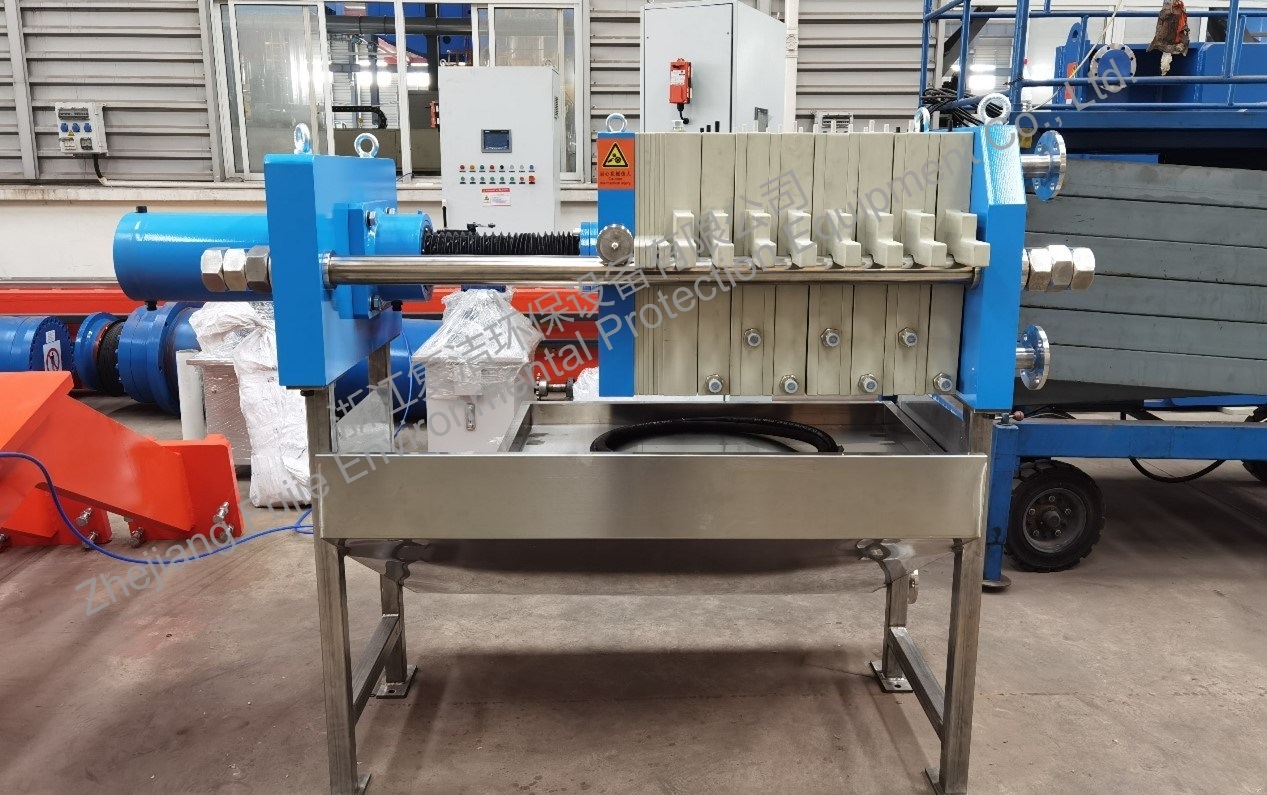
A recessed plate filter press uses plates with cavities on both sides. When plates close together, these cavities form chambers. Slurry is pumped into the chambers, and pressure drives the liquid through the filter cloth. Solids collect inside the chamber and form the cake.
This design is widely used because it is direct and reliable. It has fewer special plate functions than a membrane system. For many slurries, it delivers stable filtration, clear filtrate, and good cake formation without extra squeezing.
The key difference is what happens after the cake forms. In a recessed plate system, the cake dewaters mainly through feed pressure. In a membrane system, the cake gets an added squeeze after the first filtration stage.
This does not mean one design is always better. It means each design solves a different problem. A membrane filter press focuses on drier cake and cycle improvement. A recessed plate filter press focuses on stable, efficient chamber filtration.
Cake moisture is often the biggest reason to compare these two systems. A membrane filter press usually has the advantage when the target is a lower final moisture level. The membrane squeezes the cake after it forms, so it removes liquid that feed pressure alone may leave behind.
A recessed plate filter press can still produce a firm cake. Its final moisture depends on slurry properties, particle size, feed pressure, cloth type, and cycle time. But when the cake needs extra compression, a membrane design gives more control.
Tip:Before choosing a filter press, ask for a test using your real slurry, not only a standard sample.
Cycle time includes filling, filtration, squeezing or drying, plate opening, cake discharge, and cloth cleaning. A membrane system may reduce cycle time if the current process needs a long pressure hold to reach the required dryness. The added squeeze can reach the target faster.
A recessed plate system can also run fast when the slurry filters easily. It may be the better choice for simple, high-volume applications where extra squeezing does not add much value.
A recessed plate filter press relies on feed pump pressure to fill the chambers and dewater the slurry. It works well when the slurry forms a stable cake and does not need extreme final drying.
A membrane filter press also uses feed pressure, but then adds membrane compression. This makes it useful for fine particles, sticky sludge, or material that holds water inside the cake structure. Still, the membrane system must be matched to the slurry. Poor plate, cloth, or pressure selection can reduce the benefit.
Both designs can produce clear filtrate when the system is configured well. Filtrate quality depends more on cloth selection, sealing, particle size, and operating pressure than on the name of the filter press alone.
For valuable solids, both systems can help improve recovery. For high-value cake, membrane squeezing may also help reduce downstream drying steps. For high-value filtrate, cloth and sealing performance are critical.
Modern filter press systems can include automatic hydraulic closing, automatic plate pulling, drip trays, cloth washing, and control systems. Both membrane and recessed plate designs can support automation.
The difference is process purpose. In a membrane system, automation helps control feeding, squeezing, washing, and discharge. In a recessed plate system, automation often focuses on stable operation, safer cake discharge, and reduced labor.
A drier cake can reduce transport weight and disposal volume. It may also reduce the energy needed for later drying. This is where a membrane filter press can create long-term savings.
However, the gain must be checked against higher equipment cost, membrane maintenance, and air or water compression demand. A recessed plate filter press may cost less to run when the moisture target is moderate.
Recessed plate systems are often more economical at the purchase stage. They are easier to understand, easier to maintain, and proven in many industries. Membrane systems often need a higher investment, but they may save money if wet cake is expensive to handle.
A good decision should compare machine price, cake moisture, labor, cloth life, spare parts, maintenance, energy, and disposal cost together.
Requirement | Membrane Filter Press | Recessed Plate Filter Press |
Lower cake moisture | Stronger choice | Good, but limited by feed pressure |
Simple operation | More process steps | Easier operation |
High standard capacity | Good when optimized | Very suitable |
Sticky or hard-to-dewater cake | Often better | May need longer cycles |
Lower initial cost | Usually higher | Usually lower |
Maintenance simplicity | More parts to check | Simpler structure |
Automation potential | Strong | Strong |
Choose a membrane system when cake moisture affects cost directly. This is common in sludge treatment, chemical processing, mineral processing, and other duties where disposal or drying is expensive. The drier the cake, the less water you move, store, or process later.
A membrane filter press is also useful when a plant wants to reduce thermal drying pressure. Mechanical squeezing is often cheaper than evaporating water with heat.
Throughput depends on more than plate type. It depends on chamber volume, feeding speed, cake release, cloth cleaning, and discharge time. A recessed plate system may be enough when the slurry filters quickly and the cake releases well.
A membrane system can improve throughput when old cycles are slow because the cake remains too wet. The secondary squeeze may help the system reach discharge condition sooner.
Note:Fast filtration is not always better if it causes poor cake formation, cloudy filtrate, or cloth blinding.
Some processes need cake washing to remove soluble impurities. In this case, uniform cake formation matters. If the cake is cracked or uneven, wash liquid may pass through easy channels and leave impurities behind.
Both designs can support washing, but the plate structure, feed balance, filter cloth, and cake thickness must be selected carefully. A membrane system may help compact the cake after washing, while a recessed plate system may provide a simpler washing path in many standard processes.
Some plants handle changing slurry. Solids content, particle size, temperature, pH, and viscosity may shift through the day. In these cases, customization matters more than the basic design name.
Plate material, cloth type, chamber depth, feeding method, hydraulic control, and washing setup should match the process. A modular filter press design can also help plants adapt the system to future production changes.
A recessed plate filter press usually has a simpler plate design. This can reduce the initial investment. It may also make training easier for operators who already know standard pressure filtration.
A membrane filter press adds membrane plates and squeezing control. This raises the purchase cost, but it can pay back if the process gains drier cake, shorter cycle time, or lower disposal cost.
Both systems need regular inspection. Operators should check filter cloths, plate surfaces, sealing areas, hydraulic pressure, feed pumps, and filtrate quality. Cloth blinding is a common issue in many filter press operations.
Membrane systems add one more maintenance point: the membrane itself. It should be checked for wear, pressure damage, or uneven expansion. Recessed plate systems have fewer special plate parts, so daily maintenance may be simpler.
Downtime often starts with small problems. A torn cloth can cause leakage. A damaged plate can reduce sealing. A weak hydraulic system can affect closing force. A clogged feed path can create uneven cake.
Plants should keep key spare parts ready. These may include filter cloths, sealing parts, hydraulic components, and common wear items. For membrane systems, membrane plate inspection should be part of the plan.
Tip:Track cycle time and cake moisture weekly. Small changes often reveal cloth wear or feed changes early.
The cheaper filter press is not always the lower-cost solution. A recessed plate system may be best when the process is stable and final moisture is acceptable. A membrane system may be better when wet cake drives high transport, drying, or disposal costs.
The best comparison uses real numbers. Estimate daily solids volume, expected cake moisture, disposal cost, labor time, cycle time, energy use, and maintenance frequency. This gives a clearer view than price alone.
Sludge often holds water inside fine particles. This makes it harder to dewater. A membrane filter press can help by squeezing the formed cake and reducing residual water. It is often considered when disposal cost is high.
A recessed plate filter press can still work well for many wastewater duties. It may be a practical choice when sludge properties are stable and the plant accepts moderate cake dryness.
Mining and mineral applications often need strong solid-liquid separation. The process may involve tailings, concentrates, or fine mineral slurry. Plate strength, feed pressure, wear resistance, and cake discharge all matter.
A membrane system may help reduce moisture in valuable or costly-to-transport solids. A recessed plate system may fit high-volume filtration where robust operation and simple maintenance are the main priorities.
Food and bio-based processing often focuses on product quality, clean operation, and filtrate clarity. The right filter press design depends on whether the valuable material is the liquid, the cake, or both.
A recessed plate system may be enough for many clarification or separation duties. A membrane system may help when the cake must be compact, dry, or easier to handle after discharge.
Chemical filtration can involve corrosive liquids, fine solids, or temperature changes. In these cases, plate material and cloth selection are critical. A poor match can shorten service life and cause unstable operation.
Both designs can work in chemical applications when configured correctly. Buyers should focus on material compatibility, sealing performance, pressure range, cleaning method, and automation needs.
Both designs can solve solid-liquid separation problems, but they serve different goals. A membrane filter press is stronger for drier cake and cycle control. A recessed plate filter press is practical, stable, and easier to maintain. ZHEJIANG FUJIE provides customizable filter press solutions, filter plates, automation options, and process support to help plants improve efficiency and reduce handling cost.
A: A membrane filter press squeezes cake again. A recessed type does not.
A: A membrane filter press usually gives drier cake.
A: They are simple, stable, and cost-effective.
A: Usually yes, but it may lower disposal cost.
A: Compare slurry, moisture target, capacity, and maintenance.
A: Yes, but membrane systems suit harder dewatering.


