
- All
- Product Name
- Product Keyword
- Product Model
- Product Summary
- Product Description
- Multi Field Search
Views: 0 Author: Site Editor Publish Time: 2025-10-06 Origin: Site


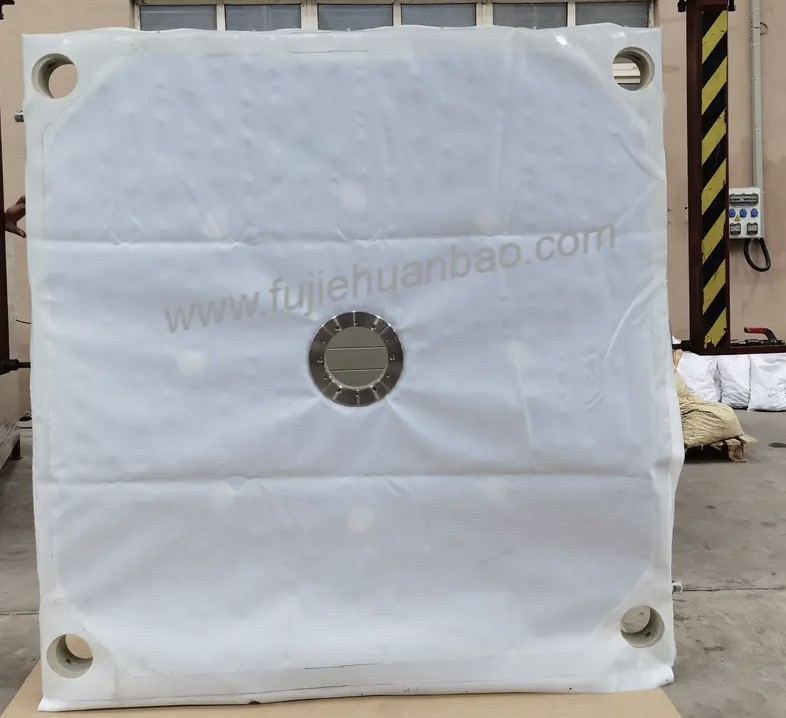
Choosing the right filter press cloth can make or break your filtration process. It affects everything — from filtration speed to cake dryness and operating cost. The wrong cloth wastes time and money, while the right one improves efficiency and product quality. In this post, you’ll learn how to select the best filter cloth for your process, based on material, weave, and performance factors.
A filter press cloth is the heart of any filtration system. It acts as a barrier between solids and liquids, allowing clean filtrate to pass through while capturing suspended particles.In simple terms, it determines how clear your filtrate is and how dry your filter cakes become. When slurry enters the filter press chambers, the cloth lines each plate surface. As pressure builds, solids collect on the cloth and form a filter cake. The liquid phase, or filtrate, passes through the microscopic pores in the fabric. A well-selected cloth ensures smooth filtration, uniform cake formation, and efficient cake release after each cycle.
| Filter Press Type | Cloth Function & Characteristics | Typical Benefit |
|---|---|---|
| Plate and Frame | Uses separate cloth sheets for each frame and plate; fine weave handles delicate or low-solid slurries. | High clarity filtrate |
| Recessed Chamber | Cloth is mounted over recessed plates, sealing the chambers tightly to prevent leakage. | Higher pressure and faster dewatering |
| Membrane (Diaphragm) | Flexible cloths work with membrane plates that squeeze the cake for extra dryness. | Drier cakes, shorter cycle time |
Each setup requires specific cloth thickness, weave, and material to match pressure, particle size, and cake behavior. That’s why choosing the right fabric is critical — it directly affects both filtration efficiency and maintenance effort.
Picking the right filter cloth isn’t just about fit — it’s about performance. A well-chosen cloth can make filtration faster, cleaner, and more consistent. The wrong one? It clogs easily, leaks frequently, and wears out too soon.
The filter cloth controls filtration speed and filtrate clarity. If the pores are too small, the process slows down. If they’re too large, solids slip through, reducing product purity. Good cloth selection ensures smoother cycles, less downtime, and fewer cleanings. It also prevents early wear on plates and seals, keeping the whole press running longer.
| Factor | Right Cloth Effect | Wrong Cloth Effect |
|---|---|---|
| Filtration Speed | Steady flow, short cycles | Slow flow, blockages |
| Filtrate Clarity | Clear liquid output | Cloudy, contaminated liquid |
| Maintenance | Less frequent washing | Frequent cloth cleaning |
| Equipment Wear | Low stress on seals | Plate or gasket damage |
Using the wrong filter cloth often leads to costly problems:
Clogging: Fine particles block pores, slowing filtration and increasing pressure.
Leakage: Poor sealing or improper fabric stretch causes slurry to escape.
Short Lifespan: Chemical or abrasive damage wears out fibers quickly.
Inconsistent Cakes: Uneven flow forms thin or wet cakes that are hard to remove.
Tip: Always test your slurry on a small press before ordering large cloth batches. It reveals how the fabric behaves under real process conditions.
A cheaper cloth might save money upfront, but not in the long run. Low-cost materials degrade faster and need frequent replacement. High-quality cloths maintain consistent filtration, last longer, and reduce labor. In most cases, the best filter cloth is the one that balances cost, performance, and durability — not simply the lowest price tag.
Choosing the right filter press cloth is about understanding how your slurry behaves and what your process demands. From material type to weave design, every choice affects filtration speed, clarity, and lifespan.
The slurry’s physical and chemical properties dictate which filter cloth performs best. Fine particles need tighter weaves, while coarse solids require more open fabrics. Meanwhile, pH, temperature, and chemical composition decide what fiber will last longest.
| Parameter | Why It Matters | Cloth Feature to Adjust |
|---|---|---|
| Particle Size & Shape | Determines pore size and resistance to blinding | Weave density, yarn type |
| Slurry pH & Chemistry | Corrosive fluids can damage standard fibers | Choose chemical-resistant fibers like PP or PTFE |
| Temperature | High heat may deform synthetic cloths | Use polyester or PTFE for stability |
| Desired Cake Moisture | Impacts drying time and release | Smooth weave and low-adhesion finish |
Tip: If your process involves high temperature or caustic chemicals, use PTFE or polypropylene for better longevity.
Each fabric type has its own strengths and ideal applications:
| Material | Key Features | Typical Applications |
|---|---|---|
| Polypropylene (PP) | Lightweight, chemical-resistant, economical | Wastewater, chemicals |
| Polyester (PET) | High tensile strength, heat-resistant | High-temperature filtration |
| Nylon (PA) | Abrasion-resistant, flexible | Mining, abrasive slurries |
| PTFE (Teflon) | Non-stick, chemical and heat resistant | Strong acids, pharmaceuticals |
The weave pattern and yarn construction define filtration performance:
Plain weave: Tight structure, best for fine particle filtration.
Twill weave: Strong and flexible, suited for coarse or abrasive materials.
Satin weave: Smooth texture, ideal for easy cake release.
Monofilament yarns: Offer fast drainage and easy cleaning.
Multifilament yarns: Trap fine solids, improving clarity but increasing clogging risk.
After weaving, most filter cloths undergo finishing treatments to enhance durability and ease of cleaning.
Heat setting, singeing, calendering — prevent fraying, smooth the surface, and stabilize fabric.
Surface coatings or latex edges — improve sealing, reduce leakage, and protect from wear.
These treatments extend service life and make cleaning or automatic cloth washing more effective.
Each filter press type works best with a specific cloth configuration:
| Filter Press Type | Recommended Cloth Design | Best For |
|---|---|---|
| Plate & Frame Press | Fine-weave cloths for precision | Fine solids, lab or chemical filtration |
| Recessed Chamber Press | Durable twill or monofilament fabric | High pressure, thick cakes |
| Membrane Press | Flexible and smooth surface cloth | Low moisture, fast cycle operations |
Selecting the right match between cloth design and press type ensures optimal sealing, consistent dewatering, and longer cloth life.
A filter cloth’s performance isn’t just about its material — it’s how well it maintains filtration speed, clarity, and durability over time. Proper care keeps operations consistent and prevents costly downtime.
The efficiency of a filter press depends on how fast the slurry moves through the cloth without losing clarity. Two key parameters — permeability and pore size — directly affect how long each cycle takes. If the pores are too tight, filtration slows, and pressure builds up too early. If they’re too open, fine particles pass through, clouding the filtrate. Finding the right balance means optimizing both cloth selection and operating pressure.
| Factor | Effect on Cycle Time | Adjustment Strategy |
|---|---|---|
| Permeability | High = faster filtration, lower clarity | Choose based on slurry particle size |
| Pore Size | Smaller = clearer filtrate, longer cycles | Match to desired cake dryness |
| Feed Pressure | Too low = slow flow; too high = cloth damage | Maintain stable 0.6–1.0 MPa range |
| Flow Rate | Impacts filling and cake uniformity | Adjust pump settings for even chamber fill |
Tip: Keep feed pressure steady. Rapid fluctuations cause uneven cake thickness and shorten cloth life.
Even the best filter cloth won’t perform well if it’s dirty or worn out. Regular cleaning prevents pore blockage, maintains filtration rate, and extends service life.
Common Cleaning Methods
| Method | Description | When to Use |
|---|---|---|
| Backflushing | Reverse flow to clear fine particle buildup | Light to moderate fouling |
| Chemical Cleaning | Acidic or alkaline soak removes oil, scale, or biological growth | Severe fouling or scaling |
| High-Pressure Washing | Jet cleaning for surface solids | Routine cleaning between cycles |
Look for warning signs — reduced flow rate, uneven cakes, or visible staining — they often mean it’s time to replace or deep-clean the cloths.
Maintenance Tips:
Wash cloths after every few cycles to prevent permanent blinding.
Air-dry completely before reuse to avoid bacterial growth.
Store flat or rolled in a clean, dry place — never folded.
Pro tip: Rotate multiple cloth sets. It minimizes downtime and allows proper drying between runs.
Even when you’ve chosen the right cloth, performance depends on how it’s used and maintained. Small adjustments — like pressure, cleaning, or material pairing — can make a big difference.
Never skip testing. A short pilot trial helps confirm the cloth’s permeability, cake release, and chemical resistance before full production. It also identifies potential issues — such as blinding or slow drainage — under real operating conditions. Testing avoids costly downtime and ensures the best long-term performance.
Tip: Record feed rate, pressure, and filtrate clarity during trials. Use this data to fine-tune cloth specifications.
High filtration speed doesn’t always mean better results. If the cloth is too porous, fine solids escape; if too tight, flow slows down. Find the balance by matching pore size to particle distribution and desired cake dryness. In most cases, moderate permeability achieves both efficient dewatering and clear filtrate.
| Parameter | High Rate Focus | High Clarity Focus |
|---|---|---|
| Weave Type | Twill or open weave | Plain or satin weave |
| Yarn Type | Monofilament | Multifilament |
| Result | Faster cycles | Cleaner filtrate |
Cloth and plate materials must work together — chemically and mechanically. For example, polypropylene plates pair best with polypropylene cloths for uniform expansion under heat and pressure. Mismatched materials can cause slipping, leaks, or early wear. Also, check the gasket or sealing surface design to ensure perfect alignment during operation.
Use corrosion-resistant materials if handling acidic or high-temperature slurries.
Always maintain at least one backup set of filter cloths. Rotating cloths allows proper drying and inspection between runs. It also minimizes downtime from unexpected failures. When stored, keep them clean, flat, and away from sunlight or moisture. A rotation strategy extends service life by 25–40% in many filtration systems. It’s a simple way to keep performance steady — and operations profitable.
Selecting the right filter press filter cloth is a balance between material science and process understanding. The right fiber, weave, and finish combination determines how well your system performs day after day. Regular inspection and cleaning keep the cloth efficient and extend its lifespan. When properly paired with the right filter press type, it delivers clear filtrate, stable cycles, and lower operating costs
A: Most filter press cloths last between 3 to 12 months, depending on slurry type, pressure, and cleaning frequency.
A: Clean them after every few cycles and replace when filtration slows, leakage increases, or cloths show wear.
A: Not always. Cloths must match plate size, feed location, and chamber design for proper sealing and performance.
A: PTFE (Teflon) or stainless-reinforced polyester works best due to chemical and heat resistance.
A: Use gasketed plates, apply proper tension, and select satin or monofilament weaves for smooth cake removal.


