
- All
- Product Name
- Product Keyword
- Product Model
- Product Summary
- Product Description
- Multi Field Search
Views: 0 Author: Site Editor Publish Time: 2026-08-17 Origin: Site


Inefficient liquid-solid separation hits facility profitability hard. When wet sludge retains excess moisture, disposal volumes multiply and hauling fees escalate. In production environments where filtrate is the primary product, poor separation causes unacceptable yield losses and downstream contamination. Failing to meet environmental discharge regulations also triggers compliance penalties and forced shutdowns.
Selecting the wrong dewatering equipment guarantees production bottlenecks. Operators face inconsistent cake moisture, frequent filter cloth blinding, and excessive maintenance downtime when forcing incompatible machinery to handle complex slurries. Facility managers must evaluate the exact physical and chemical nature of their process fluids rather than relying on generic capacity estimates.
A systematic framework for evaluating slurry characteristics, operational requirements, and vendor capabilities is necessary to make a data-backed purchasing decision. By analyzing material compatibility, automation levels, and facility integration upfront, you can specify an industrial filter press that delivers consistent cycle times, maximizes cake dryness, and minimizes ongoing labor demands.
Plant engineers must define what constitutes a successful filtration cycle for their specific process before reviewing equipment specifications. Without clear baseline metrics, determining whether a proposed machine will solve core processing issues is impossible.
Identify the primary operational goal driving the equipment upgrade. In mining or chemical manufacturing, maximizing liquid recovery is often the objective because the filtrate contains the valuable product. Filtrate clarity and high recovery rates are paramount here. In wastewater applications, minimizing solid waste volume takes priority. Every percentage drop in cake moisture translates directly to reduced hauling and landfill fees.
Establish strict baseline metrics before contacting vendors. You need a target cake dryness expressed as a percentage of solids by weight. Determine the acceptable parts per million (PPM) of suspended solids in the filtrate to define clarity requirements. Calculate daily water consumption and recovery targets, especially if the facility operates in regions with strict water usage limits or high utility rates.
Industrial filtration operates under strict regulatory frameworks depending on the sector. Pharmaceutical, food, and beverage applications must adhere to FDA and cGMP standards. This requires specialized equipment features to maintain sanitary conditions.
Environmental Protection Agency (EPA) guidelines dictate wastewater discharge limits. Heavy metal concentrations and suspended solids must drop below specific thresholds before filtrate enters municipal sewers. If your process involves hazardous, volatile, or highly flammable solvents, standard open-air discharge fails safety checks. You must evaluate closed-loop systems featuring explosion-proof controls, vapor-tight plate stacks, and nitrogen purging capabilities to protect operators and prevent facility fires.
The physical and chemical makeup of your slurry forms the foundation of filter press design. Guessing at these variables leads to equipment failure, warped plates, and blinded filter cloths within the first week of operation.
Analyze the process fluid's pH, operating temperature, and chemical aggressiveness. Standard polypropylene filter plates handle a wide range of neutral to mildly acidic or alkaline slurries at ambient temperatures. If your process fluid exceeds 80 degrees Celsius or contains aggressive solvents, standard polypropylene degrades, warps, or melts under pressure. In these cases, specify specialized materials like PVDF, cast iron, or custom metal alloys for the plate stack and manifold.
Evaluate the particle size distribution and shape. Sharp, abrasive particles found in mining or aggregate wash plants rapidly wear down standard feed pumps and tear lightweight filter cloths. Particle size directly dictates filter cloth selection. Fine, slimy particles require a tight weave to prevent them from passing into the filtrate, but this tight weave increases blinding risks. A thorough particle analysis ensures the selected cloth provides the right balance of air permeability, particle retention, and cake release properties.
Accurate sizing requires precise calculations of daily throughput. Determine the volume of slurry generated per shift in gallons or liters. Establish acceptable batch cycle times based on downstream processing speeds. A machine sized too small forces operators to run continuous, rushed cycles, increasing wear and tear. A machine sized too large wastes floor space and capital.
Calculate the necessary chamber volume in cubic feet or liters and the total filtration area required to handle the daily load. These calculations rely heavily on the percentage of incoming solids. For instance, a facility generating 10,000 gallons of slurry per day at 2% solids requires drastically different chamber sizing than a slurry with 15% solids, even if the total liquid volume is identical.
Assess operating pressure requirements based on slurry resistance. Highly compressible sludges, such as biological wastewater floc, often require high-pressure systems operating at 225 psi (15 bar) or higher to squeeze out trapped moisture. Standard industrial slurries may dewater perfectly fine at 100 psi (7 bar). Higher operating pressures demand heavier steel frames, upgraded hydraulic cylinders, and specialized high-pressure feed pumps.
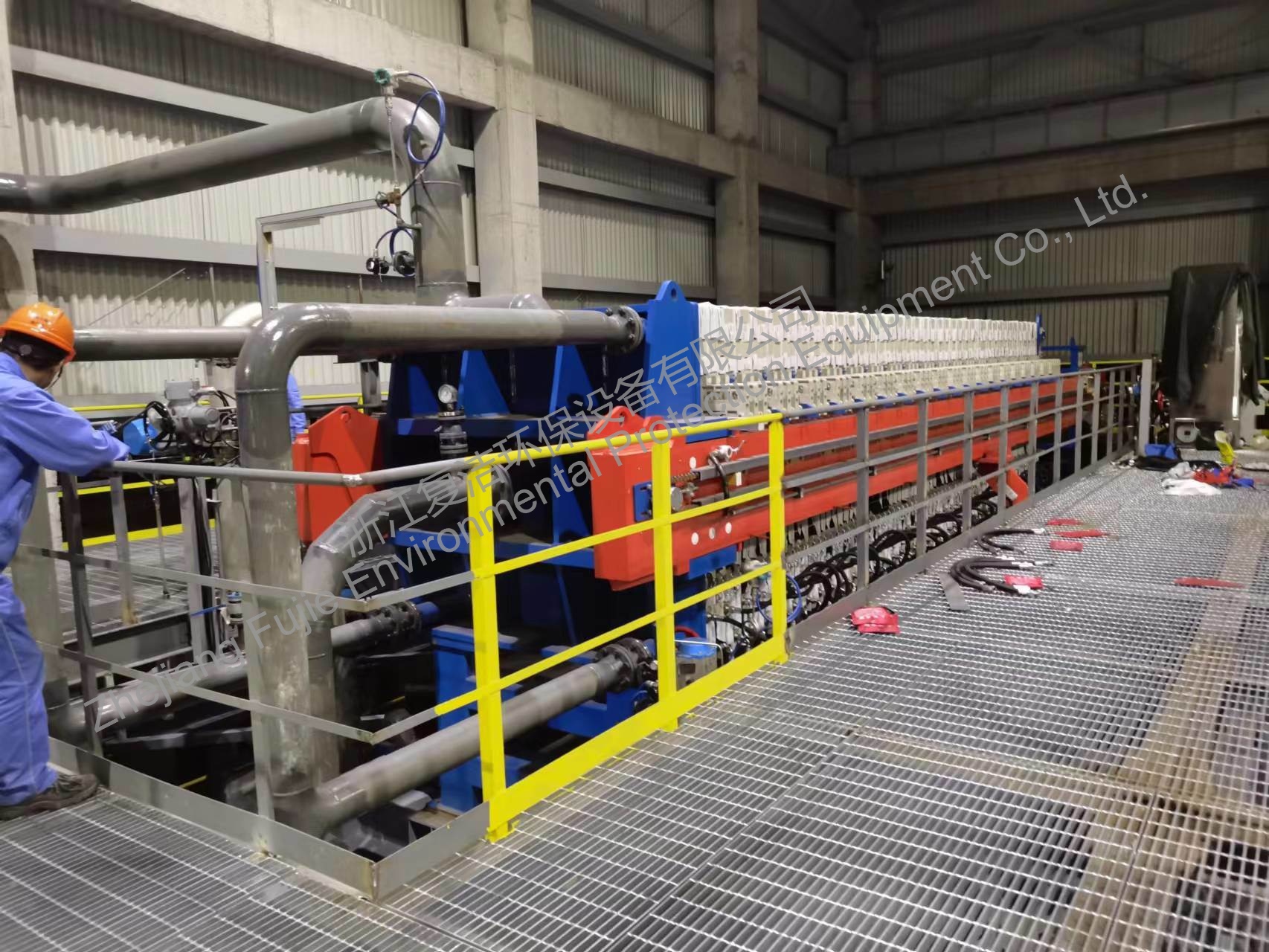
Once slurry characteristics are defined, buyers must evaluate available mechanical configurations. The choice of plate technology and automation level dictates how the machine integrates into daily plant operations.
Standard recessed chamber plates are the workhorses of the industry. Each plate features a recessed inner area. When clamped together, they form a void where the solid cake builds up as the feed pump forces slurry through the cloth. They are reliable, mechanically simple, and suitable for the vast majority of standard dewatering tasks.
Membrane squeeze plates incorporate a flexible diaphragm behind the filter cloth. After the initial feed cycle fills the chamber, high-pressure water or compressed air inflates this membrane, physically squeezing the filter cake to expel additional moisture. Membrane plates require higher initial capital and complex auxiliary systems to manage the squeeze fluid. They achieve significantly higher cake dryness, drastically reduce overall cycle times, and allow for highly efficient cake washing.
| Feature | Recessed Chamber Plates | Membrane Squeeze Plates |
|---|---|---|
| Mechanism | Fixed volume, relies on feed pump pressure | Flexible diaphragm squeezes cake post-fill |
| Cake Dryness | Standard baseline | Significantly higher |
| Cycle Time | Longer duration | Shorter duration |
| Initial Investment | Lower CapEx | Higher CapEx |
Labor availability and cycle frequency determine the necessary level of automation. Manual presses require an operator to physically pull each plate apart to discharge the cake. For small presses running one cycle per day, this is manageable. For larger machines, manual operation is physically exhausting, slow, and poses ergonomic risks.
Implementing an automatic filter press transforms the workflow. These systems feature automatic plate shifters that mechanically separate the plates at the end of the cycle, dropping the cake without operator intervention. Key features also include pneumatic drip trays (bomb doors) that catch wash water and direct it away from the dry cake discharge area. Automated high-pressure cloth washing systems traverse the plate stack to clean the cloths, preventing blinding and maintaining consistent cycle times.
Municipal and industrial wastewater treatment facilities face unique challenges. The biological sludge generated in these plants is notoriously difficult to dewater because the water is bound within the cellular structure of the microorganisms.
A specialized sludge dewatering filter press requires robust chemical conditioning integration. Prior to pressing, the sludge must be treated with flocculants or coagulants to bind the fine particles into larger, porous flocs. The equipment setup must include dedicated polymer dosing skids, static mixers, and conditioning tanks. Without precise chemical dosing, biological sludge will instantly blind the filter cloths, resulting in a wet, soupy mess inside the chambers rather than a solid, dischargeable cake.
Procurement decisions based solely on the initial purchase price inevitably lead to budget overruns during the first year of operation. A comprehensive financial evaluation must account for the daily costs of running and maintaining heavy machinery.
Analyze the initial equipment purchase price against ongoing labor, energy consumption, and routine maintenance expenses. A fully automated machine requires a higher initial capital outlay but drastically reduces the daily man-hours required for cake discharge and cloth washing. Over a multi-shift operation, the labor savings quickly justify the automated features.
Factor in the cost of auxiliary equipment necessary for a complete system. The press itself is only one component. You must budget for high-capacity feed pumps, industrial air compressors for membrane squeezing or core blowdowns, and cake conveyors to move the discharged solids. Utility costs, particularly the electrical draw of the hydraulic power pack and the volume of wash water consumed during cloth cleaning cycles, must be calculated into the monthly operating budget.
Filter presses rely on wear parts that require regular replacement. Create a realistic budget for the frequency and cost of replacing consumables over a one-to-five-year horizon. Filter cloths are the most frequent consumable. Depending on the abrasiveness of the slurry and the chemical environment, cloths may need replacement every few months or once a year.
Assess the impact of operating pressure on equipment wear. Running a system consistently at 225 psi accelerates wear on hydraulic seals, manifold gaskets, and the filter plates themselves. If a feed pump fails to fill the chambers evenly, the resulting differential pressure can crack or warp the polypropylene plates, requiring expensive replacements. Budgeting for preventative maintenance on feed pumps and hydraulic systems is mandatory to protect the integrity of the plate stack.
Installing heavy dewatering equipment requires meticulous facility planning. Overlooking structural constraints or bypassing preliminary testing leads to delayed commissioning and compromised performance.
Assess facility constraints carefully. These machines have a massive physical footprint. You must account for the total length of the machine when the hydraulic ram is fully retracted, plus the necessary floor space for operators to access the manifold and hydraulic power pack. Safety light curtains, splash guards, and drip trays also consume valuable perimeter space. Ceiling clearance is a strict requirement. Maintenance teams need sufficient overhead room to hoist and remove heavy filter plates using a gantry or overhead crane.
Evaluate structural load capacities. A fully loaded press containing wet filter cake weighs tens of thousands of pounds. Mezzanine installations require reinforced steel structures to handle both the static weight and the dynamic shifting loads during operation.
Plan the cake discharge logistics thoroughly. Determine whether the cake will drop directly into roll-off dumpsters, onto a shaftless screw conveyor, or into a specialized sludge dryer. Evaluate control system integration. The press's PLC must communicate seamlessly with the facility's central SCADA system to coordinate feed pump activation, chemical dosing, and alarm management.
Bypassing bench-scale or pilot testing introduces severe operational risk. Relying on theoretical calculations or generic industry data often results in undersized equipment or incorrect cloth selection, leading to permanent production bottlenecks.
Pilot testing involves running a sample of your actual process slurry through a small-scale testing unit. This data validates scale-up calculations, ensuring the proposed chamber volume and filtration area will meet your daily throughput requirements. It allows engineers to test various filter cloth weaves to find the optimal balance between filtrate clarity and cake release. Pilot testing determines the exact chemical dosing requirements for flocculation, proving the concept before significant capital is committed.
The reliability of the equipment is directly tied to the engineering expertise and aftermarket support of the vendor. Evaluating the supplier is just as important as evaluating the machine's specifications.
Evaluate the filter press manufacturer based on their engineering support and custom design capabilities. Avoid vendors who only offer off-the-shelf, rigid configurations. Your process may require custom manifold layouts, specialized safety light curtains, or specific paint coatings to resist corrosive environments. Investigate their history of deployment within your specific industry to ensure they understand your regulatory and operational challenges.
Conduct a rigorous specification comparison between competing proposals. Ensure you are evaluating apples-to-apples. Do not just look at the plate size. Compare the total active filtration area, the total chamber volume, the thickness of the steel skeleton, and the specific automation features included. A lower-priced proposal often hides undersized hydraulics or omits safety features.
In some scenarios, purchasing refurbished equipment saves significant capital. This route requires strict vetting. Establish minimum standards for used equipment. Mandate visual inspections of the steel skeleton, looking for hairline cracks in the sidebars or corrosion around the hydraulic cylinder.
Request comprehensive maintenance histories to understand how hard the machine was run in its previous life. Observe the unit in operation to check for hydraulic leaks, smooth plate shifting, and proper manifold sealing. Check the hydraulic cylinder for scoring and inspect the manifold for chemical pitting. If a vendor cannot provide a warranty or a documented refurbishment process, walk away.
Require a Factory Acceptance Test (FAT) before the equipment ships. This allows your engineering team to visually inspect the fully assembled machine at the vendor's facility, verify PLC logic, and ensure all operational parameters meet the agreed-upon specifications. Catching a wiring error or a manifold misalignment during the FAT saves weeks of troubleshooting on your plant floor.
Investigate the filter press supplier for responsive technical support and field service availability. Downtime is expensive. You need a vendor who can dispatch a technician quickly. Verify their domestic spare parts inventory. If replacing a torn membrane plate or a blown hydraulic seal requires a six-week lead time for overseas shipping, your production line will suffer. Ensure the vendor provides comprehensive operator training and detailed preventative maintenance manuals tailored to your specific build.
Procuring the right dewatering equipment requires balancing upfront capital investments with long-term operational efficiency, necessary automation levels, and precise slurry matching. A thorough evaluation prevents the installation of a bottleneck that drains maintenance resources and limits production capacity.
Prioritize manufacturers that mandate pilot testing, offer transparent equipment capability analysis, and provide robust aftermarket support. Do not compromise on structural integrity or safety features to save on initial costs.
A: Sizing requires calculating your daily slurry volume, the percentage of suspended solids by weight, and your target cycle time. These variables determine the total chamber volume and the active filtration area needed. Pilot testing your specific slurry is the only way to accurately confirm these calculations and prevent undersizing.
A: A recessed chamber press uses fixed-volume plates where the feed pump pressure alone dewaters the cake. A membrane press features flexible diaphragms behind the filter cloths. After the initial feed, air or water inflates the membranes to physically squeeze the cake, resulting in significantly drier solids and shorter cycle times.
A: Higher operating pressures force more liquid out of compressible sludges, yielding a drier cake. This higher pressure also accelerates the filtration rate, reducing overall cycle times. However, it requires heavier-duty frames, specialized feed pumps, and more robust filter plates to handle the increased mechanical stress.
A: Cloth lifespan ranges from a few months to over a year, depending heavily on slurry abrasiveness, chemical composition, and cleaning frequency. Track the degradation of filtrate clarity and cycle times to determine replacement schedules. Regularly washing cloths extends their life, but always keep a full replacement set in inventory.
A: Upgrading is sometimes possible but often cost-prohibitive. Adding automatic plate shifters or hydraulic drip trays requires retrofitting the existing steel framework, upgrading the hydraulic power pack, and installing a new PLC system. Purchasing a new, fully integrated automatic machine is usually more reliable and cost-effective.
A: Pilot testing runs your actual process fluid through a scaled-down press. It eliminates guesswork by validating scale-up calculations, determining the optimal filter cloth weave, and identifying necessary chemical conditioning. Bypassing this step risks buying equipment that blinds immediately or fails to achieve target cake dryness.


