
- All
- Product Name
- Product Keyword
- Product Model
- Product Summary
- Product Description
- Multi Field Search
Views: 0 Author: Site Editor Publish Time: 2026-10-13 Origin: Site


Unplanned slurry blowouts and continuous weeping between plates compromise operational safety, increase housekeeping costs, and halt dewatering cycles. Identifying whether filter press plate leakage is a symptom of consumable failure, mechanical misalignment, or fundamental hardware limitations dictates your next move. You need a systematic framework to diagnose root causes accurately before tearing down the plate stack. This guide evaluates immediate maintenance interventions to keep your current batch running and determines when upgrading to gasketed systems provides the most reliable long-term solution. We break down hydraulic pressure deficiencies, feed port blockages, and consumable degradation to help you secure your filtration process, eliminate hazardous fluid escape, and maintain peak dewatering efficiency.
Establish baseline expectations for fluid containment based on your current plate architecture. Non-gasketed plates will always exhibit some level of weeping due to their physical design. Slurry characteristics also dictate leakage rates. Low-viscosity fluids escape faster than thick, heavy sludges. Define what constitutes a failure in your specific process. A few drops per minute might pass inspection in a municipal wastewater treatment plant. A single drop of hazardous chemical filtrate represents a critical failure requiring immediate shutdown. Differentiate between normal capillary wicking and an active blowout. Wicking presents as a slow, steady drip down the side of the plate pack. A blowout is a pressurized spray that breaches the sealing margin entirely.
Hydraulic systems provide the brute force necessary to keep chambers sealed against internal feed pump pressure. When hydraulic pressure drops, the plates separate slightly, breaking the seal. Evaluate hydraulic cylinder performance first. Monitor pressure retention on the gauge or HMI during the entire feed cycle. A steady drop indicates an internal bypass in the cylinder, a leaking hydraulic directional valve, or degraded hydraulic fluid failing to hold viscosity under load. The cylinder must maintain continuous, unwavering force against the plate pack.
Identify uneven pressure distribution across the plate stack. Side-bar presses can experience uneven tension if the frame settles or if the side rails wear down unevenly. This leads to plate tilting. Structural misalignment creates microscopic gaps between the machined sealing surfaces. Slurry finds the path of least resistance and escapes through these gaps. Check the parallel alignment of the tail plate and the head plate using a laser distance meter. Even a few millimeters of deviation from left to right will compromise the entire stack.
Diaphragm squeeze conflicts present another major risk for sudden leaks. Membrane filter presses use secondary air or water pressure to inflate a diaphragm and squeeze the filter cake. Ensure this secondary squeeze pressure never exceeds the primary hydraulic clamping pressure. If you clamp the press at 3000 PSI but apply a squeeze force that exceeds the structural resistance of the clamp, the internal force will physically push the plates apart. This causes sudden, violent liquid leakage. Always calibrate your pressure relief valves to prevent this override.
Blockages at the feed port create asymmetrical pressure inside the chambers. Slurry enters one side of the chamber but cannot fill the other due to dried sludge or debris blocking the eyelet. This uneven loading causes plates to shift laterally on the frame. The shifting breaks the parallel seal. Pressurized slurry then sprays out of the sides of the press.
Deploy operational workarounds when you detect uneven pressure distribution mid-cycle. Adjust batch volumes temporarily or reduce the feed pump pressure to complete a working cycle safely. This prevents a catastrophic blowout pending a full cleanout. Once the cycle ends, open the press and manually clear the blocked ports using a high-pressure washer or a blunt clearing tool.
High-velocity, abrasive slurry erodes sealing surfaces over time. Sand, silica grit, and metal shavings act like sandpaper against polypropylene plates. Monitor feed slurry temperature closely. Maintain temperatures below 100°C. High heat softens standard polypropylene, causing plate warping and seal degradation. Filter out oversized impurities before they reach the press using a strainer on the feed line. Large rocks or debris trapped between plates prevent flush closure, guaranteeing a leak.
Consumables wear out and require strict monitoring. Identify folded, wrinkled, or worn fabrics. A single crease in the sealing margin creates a channel for liquid to escape. Inspect the edges of every cloth during the cake discharge phase. Look for frayed fibers, thinning material, or holes near the feed eyes.
Detect flattened, chemically degraded, or missing seals. O-rings lose their elasticity over time due to constant compression and chemical exposure. They take a compression set and fail to rebound when the press opens. Run your finger along the O-ring groove during maintenance. If the seal sits flush with or below the plate surface, it can no longer prevent leaks. Replace it immediately.
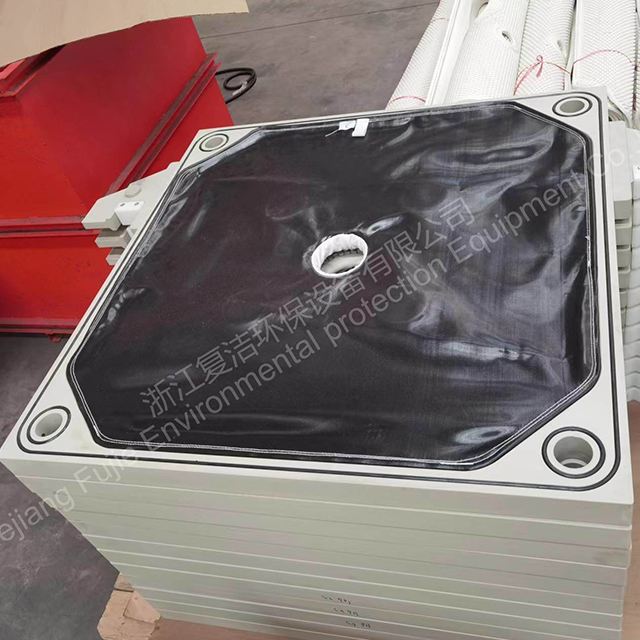
Compare legacy open-edge designs against modern sealed architectures to determine the best path forward. Open-edge plates rely entirely on the cloth and hydraulic pressure to form a seal. Sealed architectures use embedded elastomers to create a liquid-tight barrier. Choosing the right design depends entirely on your filtrate value, safety requirements, and environmental regulations.
Understand the mechanics of capillary action. Non-gasketed plates use a drape-over cloth design. The fabric extends past the machined edge of the plate and hangs outside the press. Liquid wicks through the fibers of the cloth, bypassing the clamping area entirely. This wicking drips down the sides of the press. You cannot stop this with higher hydraulic pressure or tighter clamping. It is a fundamental limitation of the physics involved with exposed fabric.
Evaluate acceptable use cases versus unacceptable risks. Non-gasketed plates work well for benign wastewater, mining tailings, or aggregate wash water. The weeping liquid simply falls into a drip tray and returns to the headworks via a floor drain. However, they pose unacceptable risks for toxic, acidic, or high-value filtrates. You cannot afford to lose expensive chemical products, nor can you expose operators to hazardous fumes or corrosive drips.
Transitioning to a CGR filter press solves edge wicking completely. CGR stands for Caulked, Gasketed, Recessed. O-rings embedded in machined grooves create a liquid-tight seal. The cloth is caulked into a separate groove inside the sealing margin using a specialized rope or zip-tie edge. No fabric extends to the outside edge of the plate. The metal-to-metal or plastic-to-plastic closure compresses the O-ring, trapping all liquid inside the chamber.
This architecture meets strict environmental containment regulations. It reduces your dependency on automatic drip trays and secondary containment berms. Floors remain dry. Operator safety increases significantly when handling aggressive solvents or acids. Housekeeping demands plummet, and you capture 100% of your filtrate for downstream processing.
Evaluate the financial viability of retrofitting a non-gasketed skeleton with CGR replacement filter plates. You do not always need to buy a completely new machine. You can often swap the plate pack on your existing frame. Calculate the money saved on cleanup labor, lost product, and potential environmental fines. Compare this against the cost of the new plates and the required frame modifications.
Assess the required frame modifications before ordering. CGR plates are often thicker than non-gasketed plates to accommodate the machined grooves. Verify your frame has the capacity to hold the new stack. You may need to adjust the cylinder stroke length or remove one or two plates from the total count. Ensure your automatic plate shifting mechanisms can handle the slightly different profile of the gasketed edges.
| Feature | Non-Gasketed (NG) Plates | Gasketed (CGR) Plates |
|---|---|---|
| Sealing Mechanism | Cloth compression and hydraulic force | Embedded O-rings and caulked cloth |
| Leakage Profile | Continuous capillary wicking (weeping) | Near-zero leakage (drip-free) |
| Best Application | Benign wastewater, low-value filtrate | Hazardous chemicals, high-value filtrate |
| Cloth Installation | Drape-over, fast and simple | Caulked into grooves, requires specialized tools |
| Maintenance Demand | High housekeeping, frequent tray cleaning | Low housekeeping, periodic O-ring checks |
| Plate Thickness | Generally thinner, maximizes chamber count | Thicker to accommodate machined O-ring grooves |
Routine filter press maintenance protocols extend the lifespan of sealing components and prevent sudden, dangerous failures. Train operators to recognize early warning signs. Ignoring a small leak today guarantees a major blowout tomorrow. Implement a strict schedule for inspecting hydraulics, cleaning plates, and replacing worn consumables.
Proper management of the filter press cloth dictates the success of your sealing strategy. Safe removal techniques are critical. When extracting the caulking rope during CGR cloth removal, operators must not score, scratch, or damage the machined plate grooves. Using sharp screwdrivers or knives will gouge the polypropylene. Slurry will eventually bypass the O-ring through these gouges. Use specialized blunt extraction hooks or brass picks.
Establish strict installation standard operating procedures. Use air hammers with blunt nylon tips or specialized wooden mallets to seat the caulking rope. Do not stretch the fabric during installation. Stretching causes wrinkles. Wrinkles create leak paths across the sealing margin. The cloth must lie perfectly flat against the drainage surface.
Implement rigorous washing protocols. High-pressure washing prevents solid buildup on the sealing margins. Dried sludge acts as a wedge. It forces plates apart during clamping. Wash the cloths and the plate edges thoroughly between cycles using a 1000-1500 PSI pressure washer with a wide fan nozzle. Automated cloth washing systems provide the most consistent results, but manual power washing works if executed diligently by trained personnel.
Establish strict inspection intervals for all filter press seals. Check O-rings, backup seals, and membrane diaphragms weekly. Look for flattening, cracking, or chemical swelling. Replace any seal that shows visible wear before it fails during a pressurized cycle.
Perform chemical compatibility checks before ordering replacements. Select the right elastomer based on slurry pH, temperature, and solvent presence. EPDM works well for general wastewater and mild acids. Viton resists harsh chemicals and high temperatures. Nitrile handles oils and hydrocarbons effectively. Silicone offers excellent temperature resistance but poor abrasion resistance. Using the wrong material guarantees rapid seal failure and severe leakage.
Verify side-bar or overhead beam alignment monthly. Misaligned beams cause plate shifting. This leads to uneven compression across the plate pack. Use a laser level or string line to check the straightness of the side bars. Adjust the support legs if the frame has settled unevenly on the concrete pad.
Clean the mating surfaces of the plates between cycles. Ensure metal-to-metal or plastic-to-plastic parallel closure. Even a small pebble or hardened piece of sludge trapped between the plates will concentrate the hydraulic force onto a single point. This can crack the plate, destroy the O-ring, and cause a massive blowout.
Weigh the higher upfront cost of gasketed filter plates against long-term operational savings. CGR plates and specialized caulked cloths require a larger initial capital expenditure. However, they drastically reduce operational expenditure over the lifespan of the equipment. You save money on housekeeping labor. You mitigate safety hazards and reduce worker compensation claims related to slips or chemical exposure. You eliminate product loss, capturing every drop of valuable filtrate.
Acknowledge the trade-offs in labor allocation. CGR cloth removal and replacement takes longer than non-gasketed drape-over cloths. Pounding the caulking rope into the groove requires trained personnel and specialized tools. It increases maintenance downtime during cloth changeouts. However, this extra maintenance time eliminates the daily cycle time lost to cleaning up spills, managing drip trays, and dealing with unexpected blowouts. The net gain in overall production uptime usually justifies the longer cloth change process.
Understand how process variables affect seal integrity. Changes in slurry composition can suddenly cause legacy seals to fail. Adding aggressive coagulants might degrade standard EPDM O-rings. Processing higher solid concentrations increases internal chamber pressure, stressing the hydraulic clamping system. If you change your upstream chemistry, perform an immediate material audit on your filter press components. Ensure your current hardware can handle the new variables without leaking.
A: This is typically caused by insufficient hydraulic clamping pressure, worn filter press cloths, or oversized impurities trapped between the plate sealing surfaces preventing a flush closure. Uneven feed pressure can also shift plates, breaking the seal.
A: Weeping is normal capillary wicking through the cloth in non-gasketed plates. It appears as a slow drip. A blowout is a pressurized, dangerous spray caused by mechanical misalignment, feed blockages, or catastrophic seal failure.
A: Lifespan depends on cycle frequency, chemical exposure, and operating temperatures. Replacement is required as soon as seals flatten, lose elasticity, or show signs of chemical degradation. Inspect them weekly.
A: Yes, by swapping in CGR replacement filter plates. However, plate thickness, frame capacity, and automatic shifting mechanisms must be verified for compatibility with the new gasketed plates.
A: Uneven pressure distribution—often resulting from a blocked feed port—causes plates to shift or tilt on the frame. This breaks the parallel seal, allowing pressurized slurry to escape through the resulting gaps.
A: The temperature of the filtered slurry must generally be controlled at <100°C. Exceeding this limit can cause standard polypropylene plates and seals to permanently deform, leading to irreversible leakage.
A: Leakage during the secondary squeeze occurs if the membrane squeeze pressure exceeds the hydraulic clamping pressure of the press, physically forcing the plates apart. It can also happen if the diaphragm itself has ruptured.


